

Aloft and Abound
From Duck Lake to Donald, the bi-annual arrival of hundreds of bird species highlight the East Kootenay’s precarious place amongst the world’s colossal flyways.
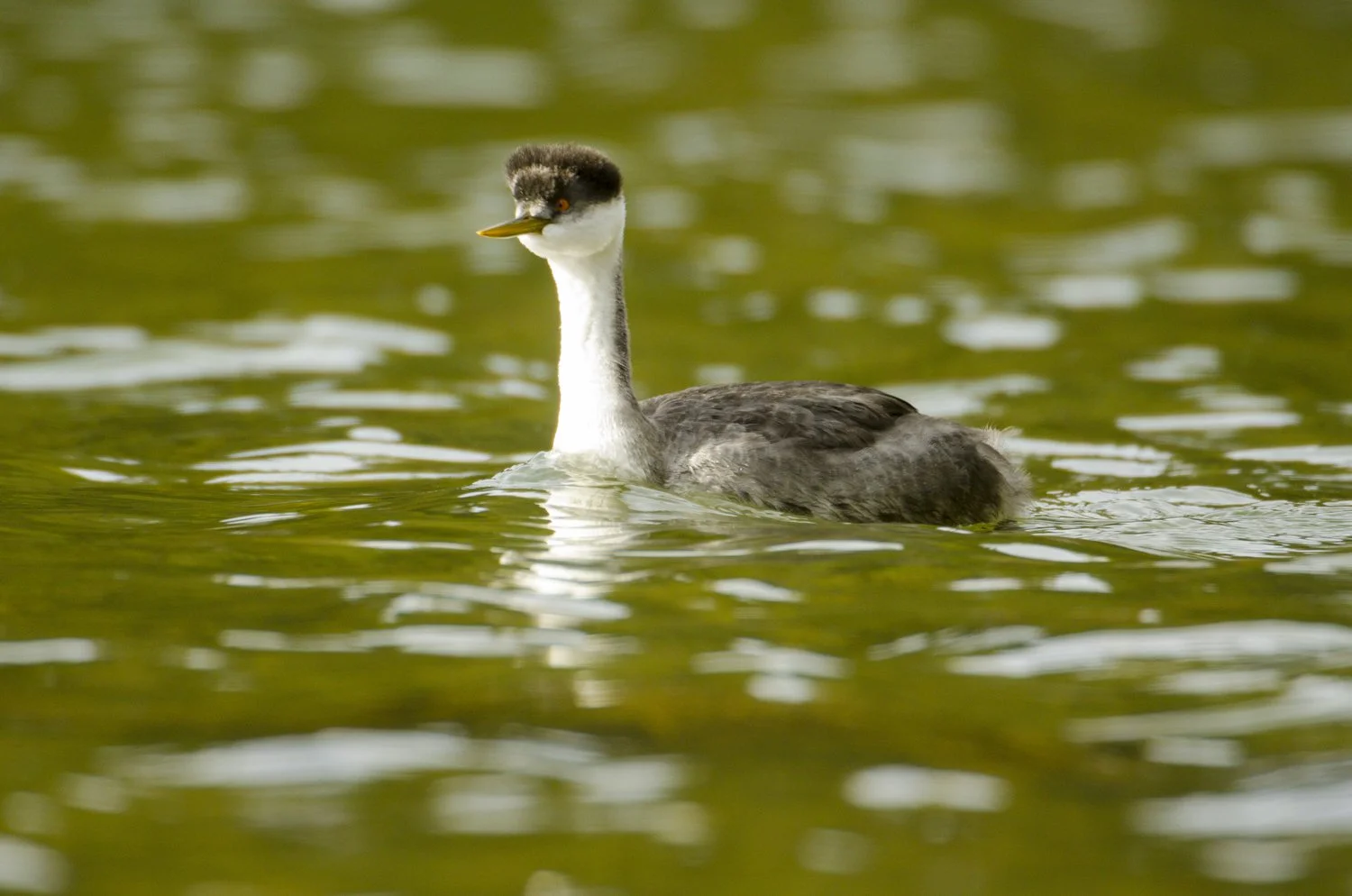
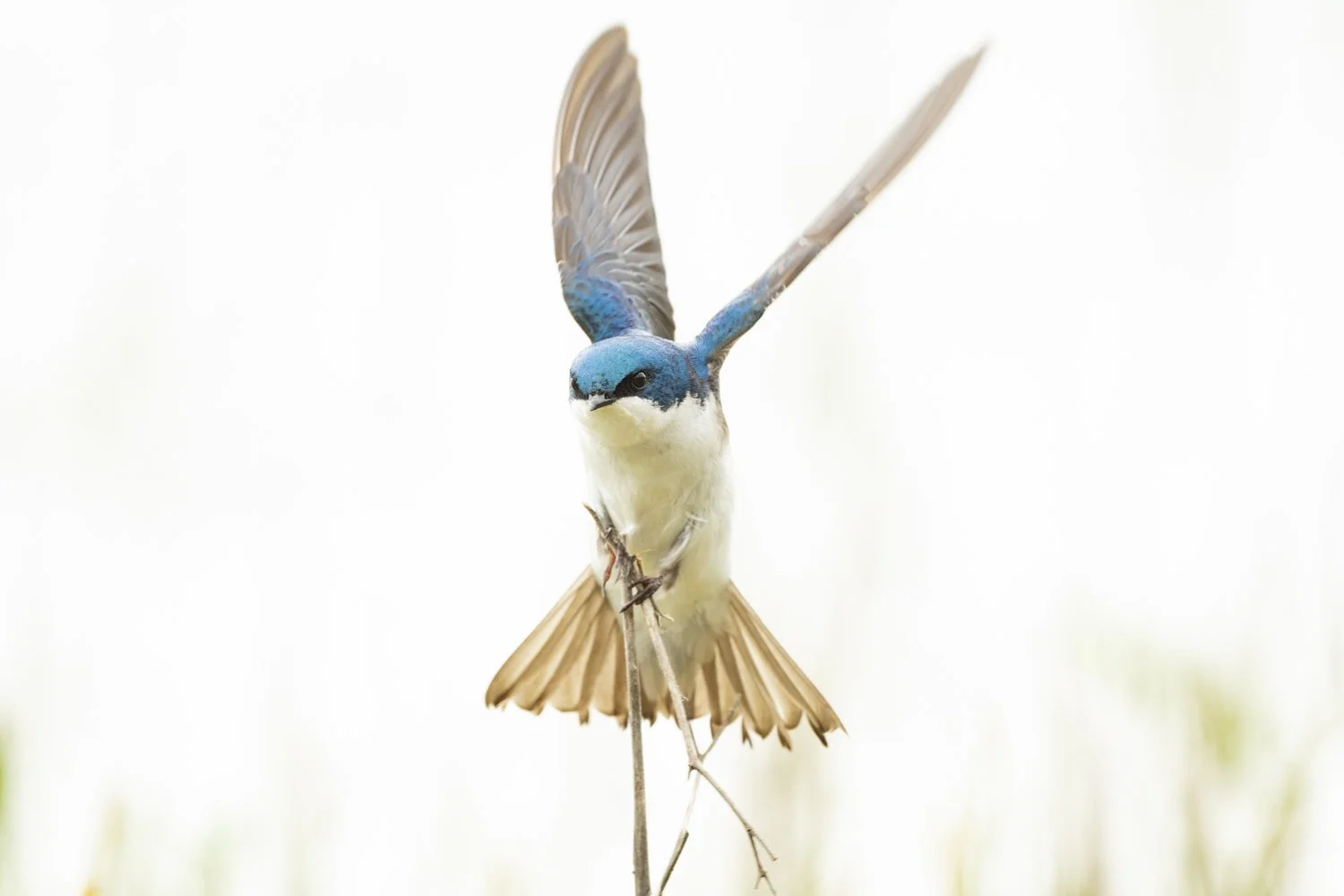
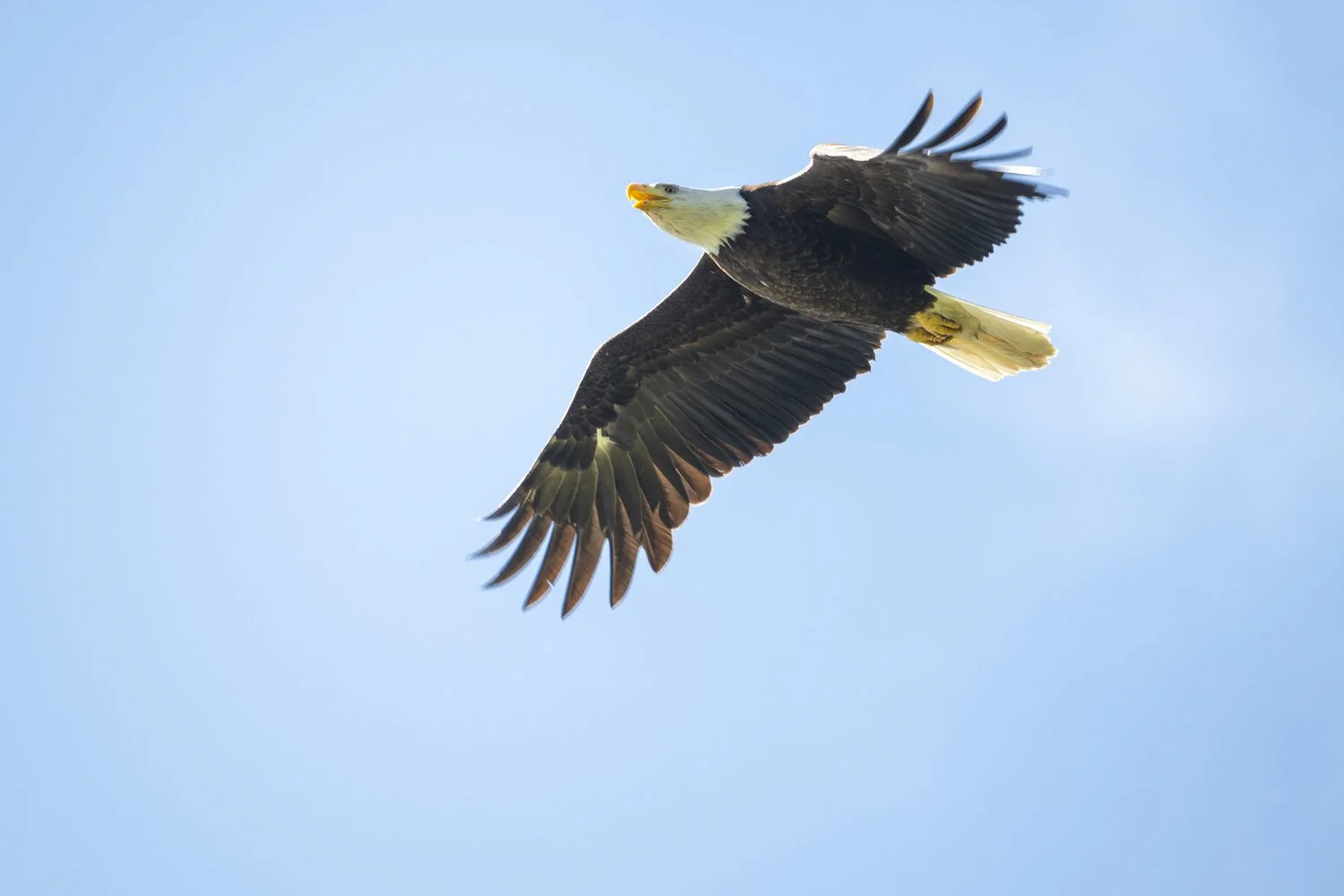
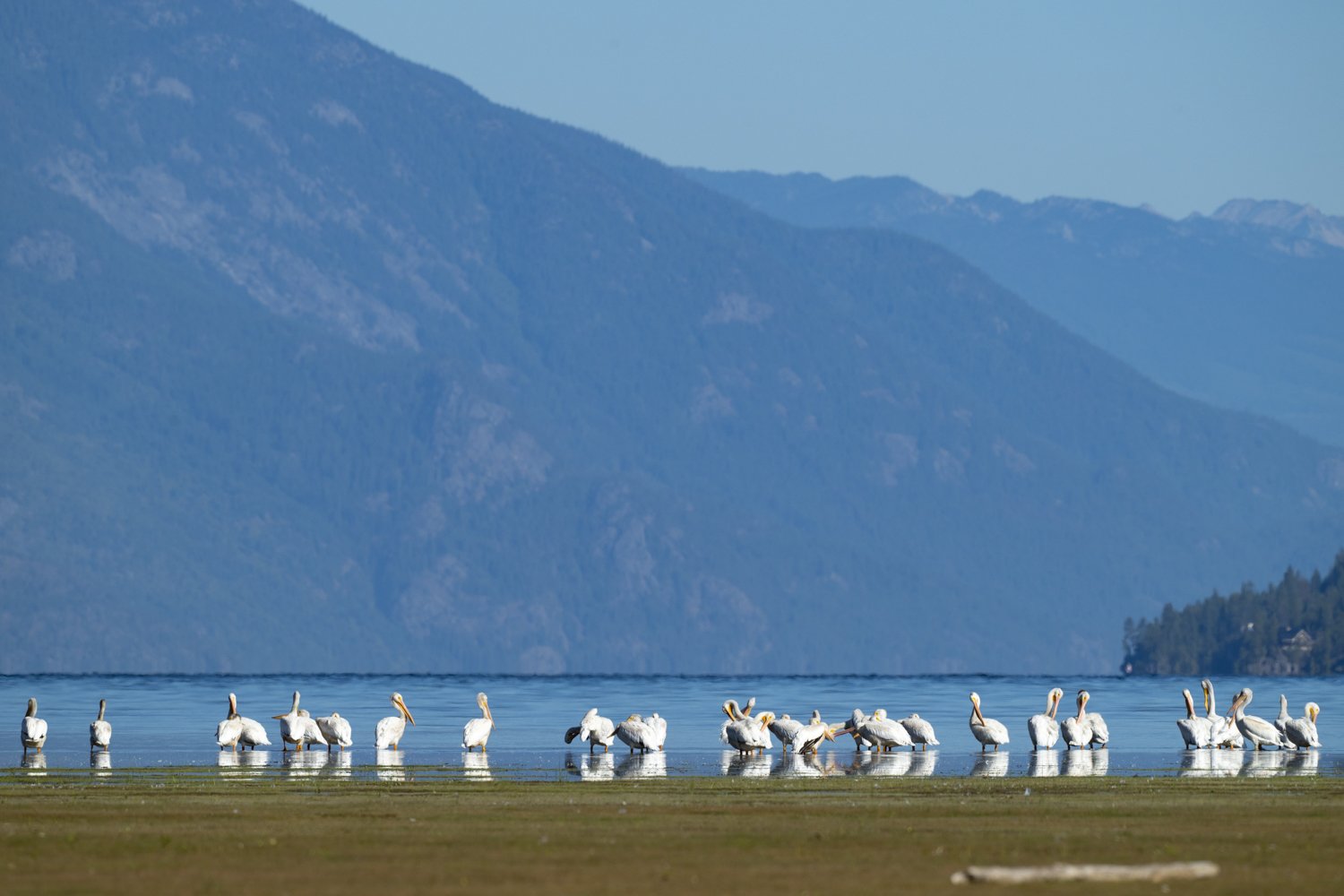
Flight mode — Over 230 species have been observed using the Columbia River wetlands as a migratory corridor. From left to right: Western grebe, Tree swallow, Bald eagle, American white pelican. — Steve Ogle Photos
The forest sounds different when the weather warms.
The snowy soundproofing slips away as the rustling of new leaves set the tempo for a springtime symphony. The bugs buzz and the brooks babble, but it's the return of our feathered friends that makes the most audible difference of all.
The flight in for them is far from first class, but the accommodation, regionally anyway, can be five-star.
Two significant areas of the Rocky Mountain Trench are internationally recognized as areas of importance for bird species: the Columbia Valley Wetlands and the Skookumchuck Prairie.
The Columbia Valley Wetlands, an area which spans from Canal Flats to Donald and encompasses 16,969 hectares of land, is described by the B.C. government as a vital component of the Pacific Flyway—a waterfowl migration route that stretches from wintering grounds in coastal South America to nesting grounds along the Arctic Ocean.
The Columbia Wetlands Waterbird Survey (CWWS), published by biologist Rachel Darvill in 2020, explains, “the ecosystem plays an important role as a migration stopover habitat for birds, providing refuge where birds can fuel up and rest during the necessary long migratory flights, which require substantial amounts of energy.”
To put into perspective the magnitude of the migration, the CWWS, which was only able to survey approximately 39 per cent of the Columbia Wetlands ecosystem, still managed single day counts of 20,000 individual birds on more than a few occasions.
The survey referenced a prior study of the area done in 1977 by the Canadian Wildlife Service, which concluded that “the Columbia Wetlands is probably the most important migration corridor in British Columbia, and competes with the coast in it’s ability to hold and feed large numbers of birds at critical moments during their annual migrations.”
The wetlands between Brisco and Spillimacheen are one example of that. These wetlands, on more than one occasion, had single day counts of over 3,000 birds. The south end of Lake Windermere is another hotspot, and on a late-September day in 2017, had more than 4,500 birds resting their weary wings.
Darvill’s survey, written for local not-for-profit Wildsight, was conducted over the course of five years with the effort of 230 volunteer citizen-scientists. During this time, of the 237 species that have been found in the Columbia Valley wetlands, they observed 163 them—30 of which are listed as ‘at risk’.
The shoreline and wetland habitat, in a region that is predominantly forested, allows for an incredible amount of biodiversity. The same can also be said for the regions’ grasslands, such as the Skookumchuck Prairie, an area just south of the Columbia Valley and to the north of Cranbrook.
Nature Conservancy Canada describes the zone as wildflower grasslands, punctuated by wetlands and sparse stands of ponderosa pine and Douglas fir, each of which support species at risk.
It is also an important breeding habitat for the federally threatened Lewis’ woodpecker and the long billed curlew, a shorebird that migrates from the west coast to breed in the dry, short grasses of the interior.
The Skookumchuck Prairie has been given designation as a Key Biodiversity Area (KBA), which is assigned in a collaborative effort that involves multiple conservation organizations. It has also been given designation as an Important Bird Area (IBA) by the conservation society Birdlife International.
These designations attract both conservation research and funding for the area, and show the area's importance on a global scale. The Columbia Wetlands Waterbird Survey was conducted and written for the purpose of advocating the area’s candidacy as a place that's deserving of the IBA status.
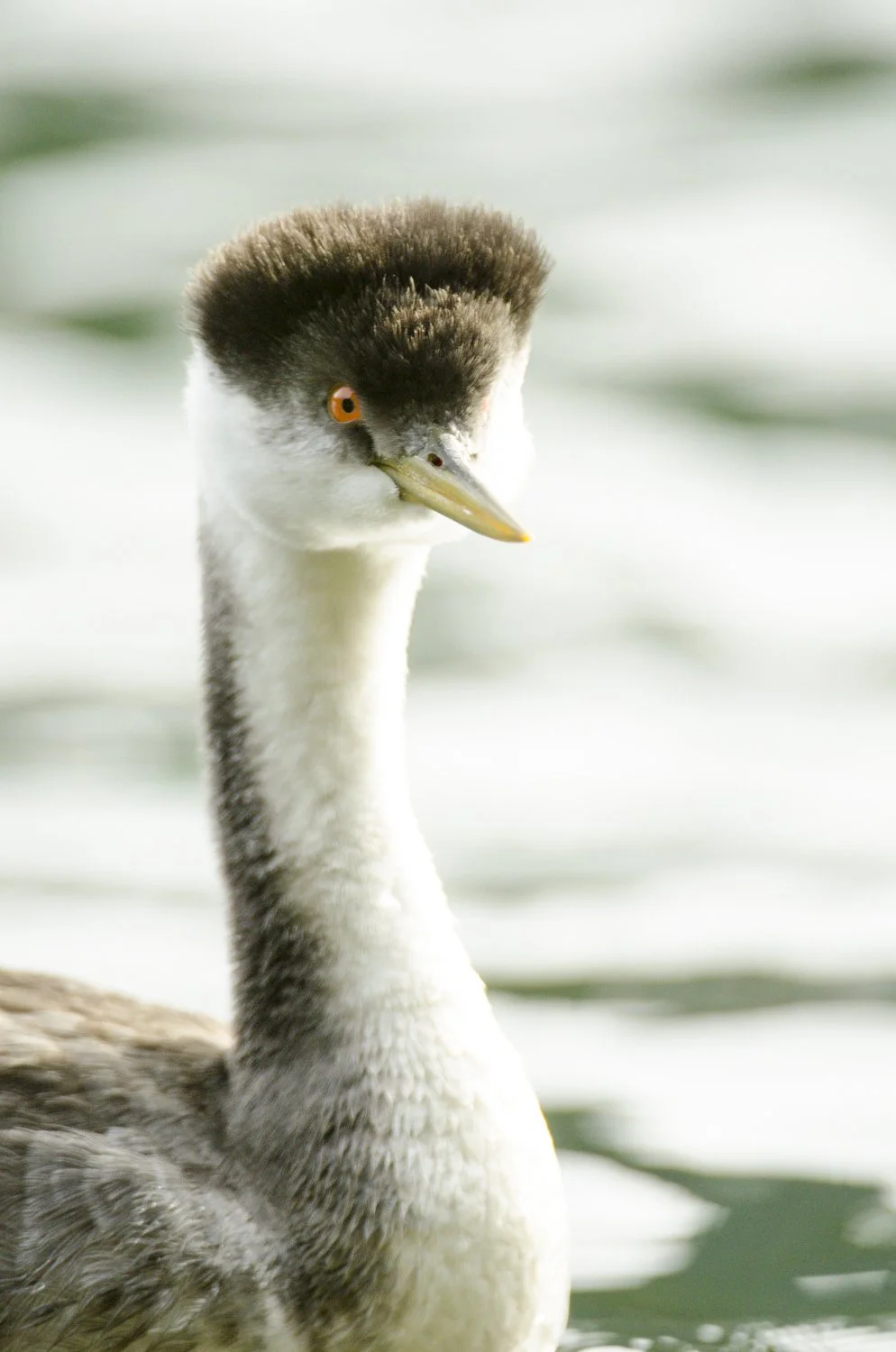
Migration station — The Western grebe breeds in freshwater marshes before wintering on inland lakes or coastal waters between B.C. and Mexico. A species sensitive to boating and shoreline development, the bird nests safely in wetlands like those in the Columbia Valley, with quiet, shallow waters. — Steve Ogle Photo
The Skookumchuck Prairie isn’t the only area with both designations in the region: the Creston Valley Wetlands also fall under that category.
Wildlife biologist and photographer Steve Ogle explains that Creston is noteworthy because not only is it home to the province's second-largest colony of western grebes, it's also the province's only known site for Forester’s terns.
“Our riparian areas are important, especially if things are hot and dry—you tend to find the birds gravitating to wetter areas,” says Ogle.
He also notes that the wetlands and shoreline complexes have a higher diversity of species visiting them, especially during migration.
“When I’m thinking about Creston, I’m thinking Duck Lake is the hot spot, or the epicentre.”
Duck Lake, aptly named, is one of many wetland areas in the Creston Valley.
“It’s another underrated bird-watching spot,” says Ogle. “You just don’t want to be there in July because of the mosquitos, which are crazy.”
The insects are important though, as they sustain the many birds, bats, and mammals that live there.
Duck Lake may be an underrated bird-watching zone, but according to Ogle, the southern end of Kootenay Lake is probably one of the most under-explored bird watching areas in the whole province.
He explains that the lack of access is a barrier, but that the mudflats that can be found in the spring and fall are absolutely incredible. The mudflats, which are normally present outside of the high-water season, are visited by a vast number of shorebirds moving between the Arctic and South America. When unaffected by unnatural water levels caused by dams, Ogle says the sandpipers and plovers can be seen in the hundreds.
“Man-made changes in water levels will actually kill off a lot of birds,” he adds, something that has been known to happen in the Kinbasket area. He says that for the most part, though, the Columbia River where it winds through the Columbia Valley Trench remains intact and unaffected.
It almost seems difficult to trip in the Trench and surrounding area without falling on a top-tier birding location.
It’s no wonder folks like Ogle, Darvill, and the 230 volunteers of the Columbia Wetlands Survey are so keen to wander outside, break out the binoculars, and peer in on our pretty, plumaged, part-time pals.
~ Written by Jesse Heinrichs
Find this full-length story and more in The Trench’s Spring/Summer 2025 edition: